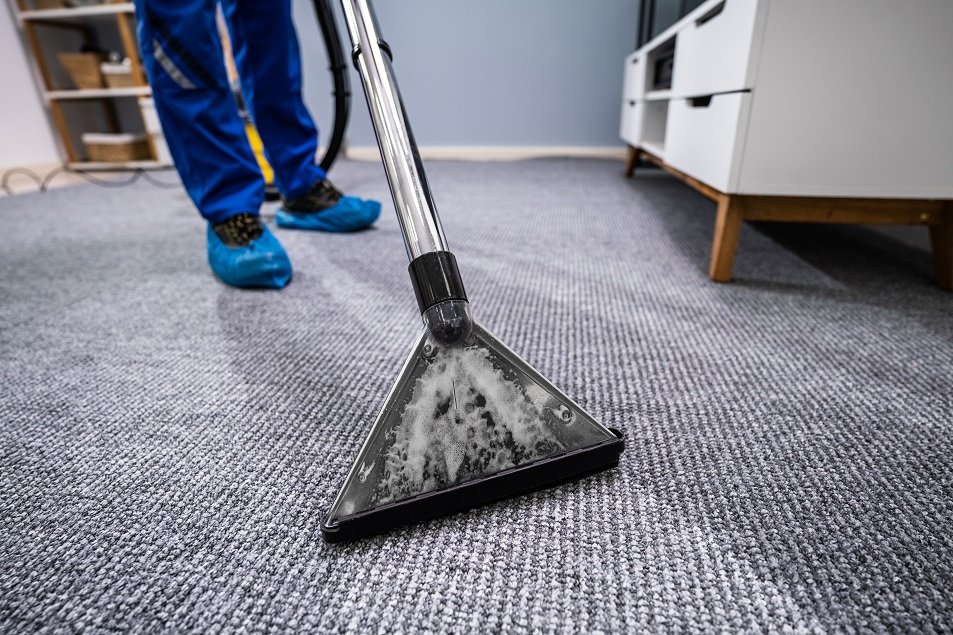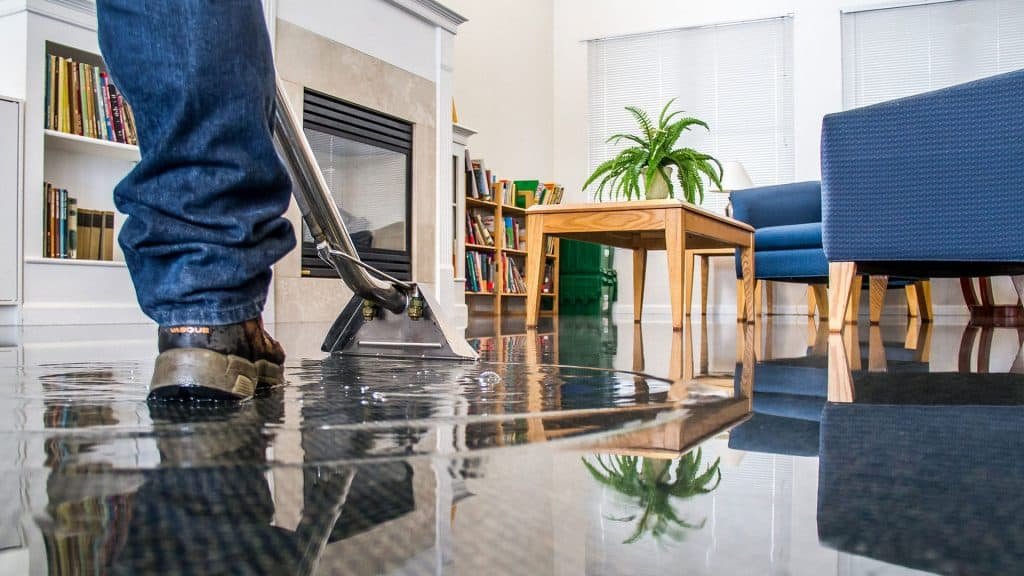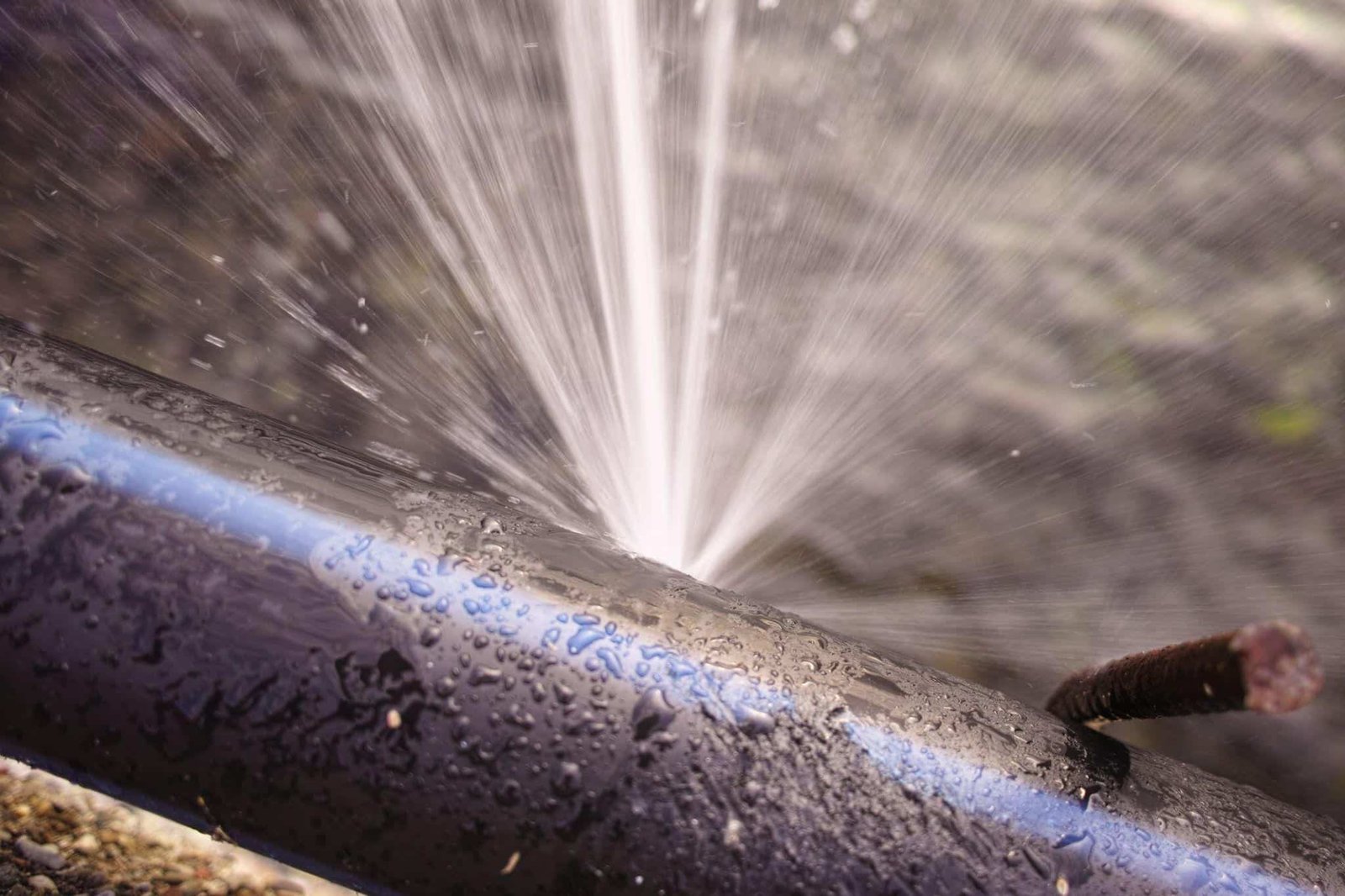
Getting the standing water out is half the job. The water that soaked into the drywall, the framing, the cabinets and the subfloor has to come out too. Leave it and you get warped floors, swollen trim, a smell that won't go away, and mold getting a start inside the walls.
What We Handle
- Drying walls, ceilings, floors and cabinets after a water loss
- Wall cavity drying behind baseboards and under cabinets
- Hardwood floor drying
- Drying after roof leaks, plumbing leaks, floods and sewer backups
- Moisture checks with meters and a thermal camera
Texas Humidity
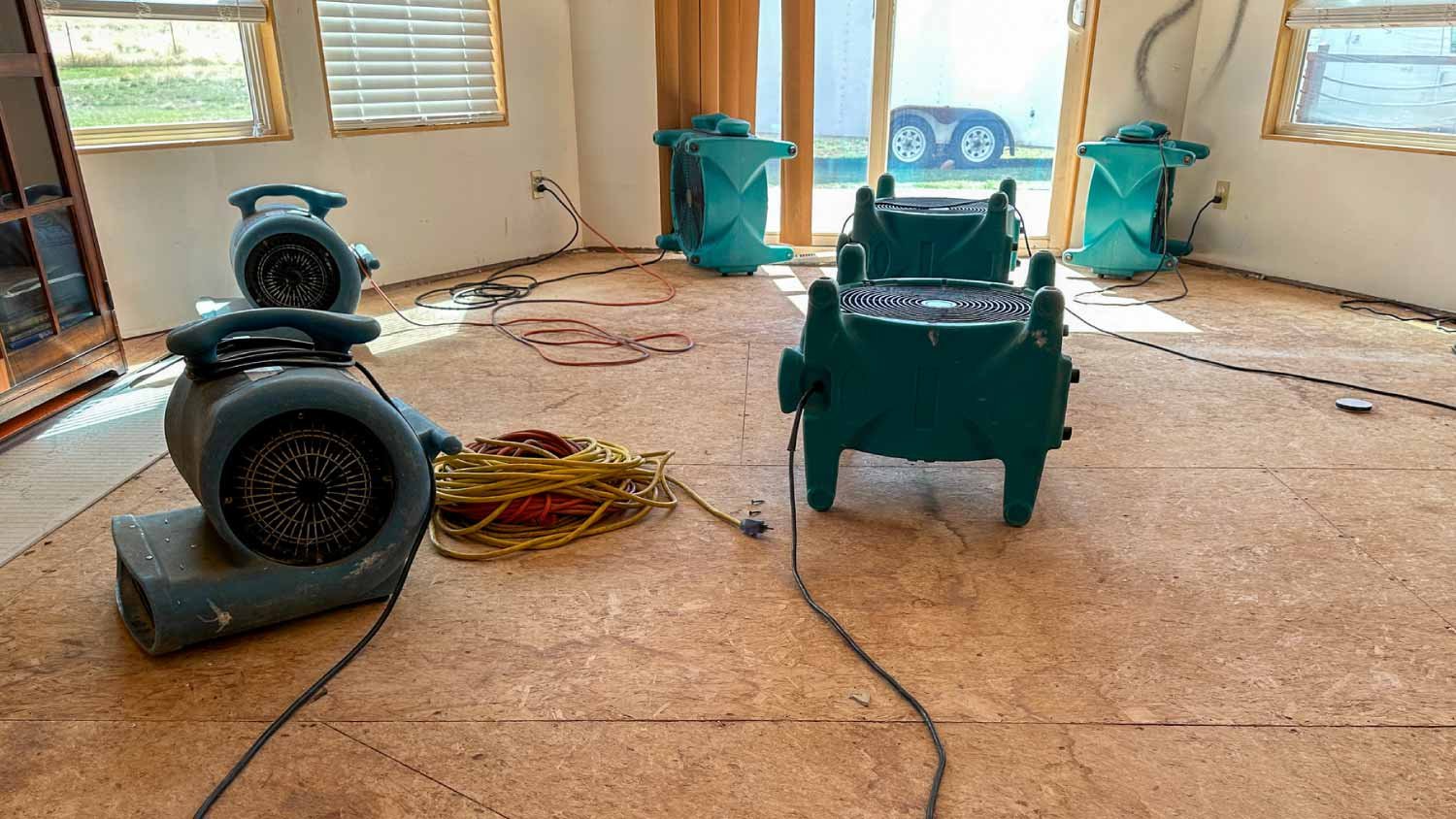
A wet wall in February is one thing. A wet wall in July is another. The air outside is already carrying all the moisture it wants, so wet lumber and drywall inside the house don't dry on their own. Box fans and open windows just move humid air around. We set commercial air movers and dehumidifiers in the rooms that got wet, keep those rooms closed up, and check the readings until the materials are actually dry, not just dry to the touch.

Mold Prevention
Mold needs moisture and time. The spots that cause trouble are the ones nobody sees: the bottom plate of the wall, the insulation, the back side of the drywall, the floor under the cabinet. Pulling the carpet and hoping doesn't reach any of that. Drying the structure all the way through is how you keep mold from getting started, which is the same thing the EPA says about mold and moisture. If you already see it or smell it, tell us when you call and we'll point you to the right people for that part.